Table Of Content

In fact, there’s usually one large focal point on one side and several smaller ones on the other. This type of balance is used in a design or in photography with the intention of creating defined focal points, movement or tension. This means that the visual weights of the different elements in the design are not evenly balanced as with symmetrical balance. The Z layout flow is the easiest way to achieve asymmetrical balance. Technically, a Z layout flow could be symmetric or asymmetric; it depends on the supporting elements and overall shapes.
Discordant
Using radial balance in these types of materials draw customers’ attention to a date or an offer. Radial balance is a type of visual balance that uses radiating lines to create a sense of harmony and unity. It’s often used in logo design, but you can also find it in posters, prints, advertisements, and other graphic design projects. Symmetrical balance is the most commonly used type of balance in graphic design. It refers to an image that’s divided into two equal halves, with both sides having the same weight and scale. This infographic has a Z layout flow with asymmetric balance.
ARTIFICAL INTELLIGENCE INFORMED DESIGNS
Gestalt principles such as focal points and similarity contribute to visual weight. Principles such as continuation, common fate and parallelism impart visual direction. I also mentioned that symmetrical forms are more likely to be seen as figure rather than ground. Radial balance occurs when elements radiate from a common center. Rays of sunlight and ripples in a pond after a stone is tossed in are examples of radial balance.
How to strike a balance between sophisticated, playful and natural in food branding, with Fed & Watered - It's Nice That
How to strike a balance between sophisticated, playful and natural in food branding, with Fed & Watered.
Posted: Thu, 11 Jan 2024 08:00:00 GMT [source]
Examples Of Radial Balance
However, it would be best if you came up with a way to manipulate and distribute other design elements to maintain a perfect balance. In conclusion, we can say that balance is a very important element in graphic design. It can make or break your design, so make sure that you keep it in mind when creating anything from logos to posters. The best way to achieve balance is by using the rule of thirds, but there are other ways as well.
The Principles of Graphic Design: How to Use Balance Effectively
And once you are familiar, and comfortable tweaking them to get the design you want, you can start implementing them in your design. Let’s take a look at different balancing concepts in design, and see how professional graphic design services leverage them to boost the impact of their creations. Opera’s Shiny Demos home page isn’t circular, but the text links all seem to emanate from a common or near common center. It’s easy to imagine the whole shape spinning around one of the squares in the middle or maybe one of the corners where four squares meet. There’s a sense of translation symmetry as the gold lines of text repeat in the upper left and lower right of the image, as well as in the button further down the page. The distance to an imagined fulcrum is about the same as the weights.
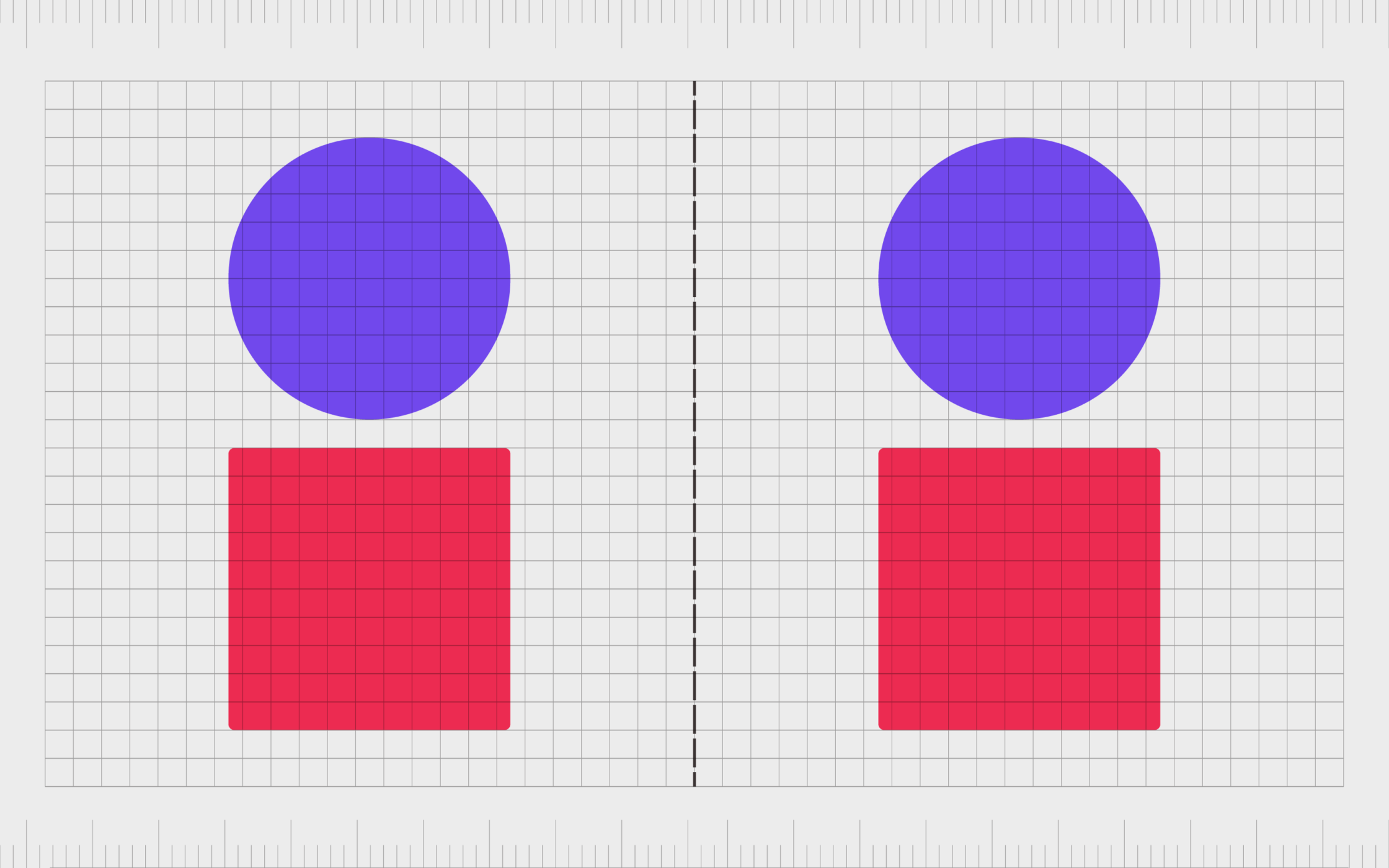
Balance is the visual principle of making a design appear equally weighted throughout the composition. Mosaic balance (also called crystallographic balance) is when elements seem chaotic, but there’s an underlying organization to it all. This is best saved for unconventional or more abstract designs.
Unlock the Secrets to Captivating Visuals
In conclusion, achieving balance is crucial in graphic design as it enhances the aesthetics and effectiveness of a composition. By understanding and implementing the principle of balance in graphic design, designers can achieve harmony and captivate their audience. Before delving into the different types of balance in graphic design, it is important to understand the fundamental concept of balance.
Ways to achieve balance in design
The cover has an asymmetrical balance, with the red roof on the bottom third of the page and a bright blue sky above. The pages inside the proposal also have asymmetrical balance, contrasting the same photo with white areas. One of two essential tools to achieve visual balance is asymmetry, specifically asymmetrical balance; the other is symmetry. In design—and in art—there are visual rules that help the artist or designer create visually appealing or even beautiful compositions.
Texture
The building in the image below is the Walt Disney Concert Hall, designed by architect Frank Gehry is an excellent example of asymmetric architecture. We help your brand get the visual Identity to stand out in a competitive marketplace. With a commitment to quality content for the design community.
It can also be a spiral, which you can see in the layout below. The spiral is further emphasized by the gradient of the watch colors. Circles are naturally symmetrical, to get radial balance just right, we rely on scale and movement. Discover the key to captivating graphic design with the principle of balance. Playing around with the elements of a symmetrical design can easily shift its balance. It could either remain symmetrical or become asymmetrical, if you prefer.

It's important to ensure that the visual weight is evenly distributed on both sides of the composition. This can be achieved by using elements of similar size, shape, and color on each side. To achieve symmetrical balance, designers create mirror images on either side of a central axis.
This article will focus on balance in design and give examples that you can get inspiration from. The principles take time to understand and implement, so I will take the time for you to explain them thoroughly. In the video below, I cover symmetrical, asymmetrical, and radial balance. This gives the viewer a sense of stability and satisfaction, as the design doesn’t have any surprise elements. Patterns are also often used in a design to give it a definitive structure and rhythm.
Brand design extracts from the spirit and drive from the athletes of sports, no matter what their background. The grit and aspirations provide endless understanding of purpose for graphic representation of Let Them Play. Let Them Play, a new brand that will revolutionize giving back to the less fortunate providing the ability to play team sports.
Achieving asymmetrical balance in photography is a skill that needs practicing. Setting up a static scene that is balanced asymmetrically is easier than capturing objects in motion. Take a look at the photo below; the juxtaposition of the jumping and standing children creates a beautiful asymmetrical balance. In illustration, asymmetrical balance is achievable when laying out compositions of the elements. Busy sections balance out with empty areas, gradients balance each other with backgrounds and textures. Asymmetry is more about the overall feeling of the artwork or design.
The smudge on the left side depicts the members of the band. On the right side is a blur of what seems to be a cityscape. Both elements complement each other to bring balance to the design. This can sometimes border on being uninteresting, but with the right designer, it can be eye-catching. Designing a business card poses this challenge because of the limited space, but this previous work from Penji shows balance can do wonders for small spaces, too.


No comments:
Post a Comment